
What is EMDR?
It can be helpful to understand that trauma doesn’t just come in one form—there are ‘Big T’ and ‘little t’ traumas, each affecting us in different but very real ways.
"Big T" and "Little T" trauma describe the different ways distressing experiences show up in our lives. “Big T” trauma comes from sudden, intense events like major accidents, violence, abuse, or significant loss, which commonly affect safety or sense of control. “Little T” trauma involves ongoing or less dramatic events—such as repeated criticism, being left out, breakups, or losing a job—that might not look “traumatic” at first glance but still deeply wound our sense of worth or connection.
Trauma isn’t just about what happened—it’s how those moments impact how we see ourselves and the world. Both kinds of trauma, “Big T” and “Little T,” can leave us struggling with anxiety, sadness, and negative beliefs like “I’m not good enough” or “I don’t belong.” These beliefs often get stuck, shaping how we respond to new experiences and relationships.
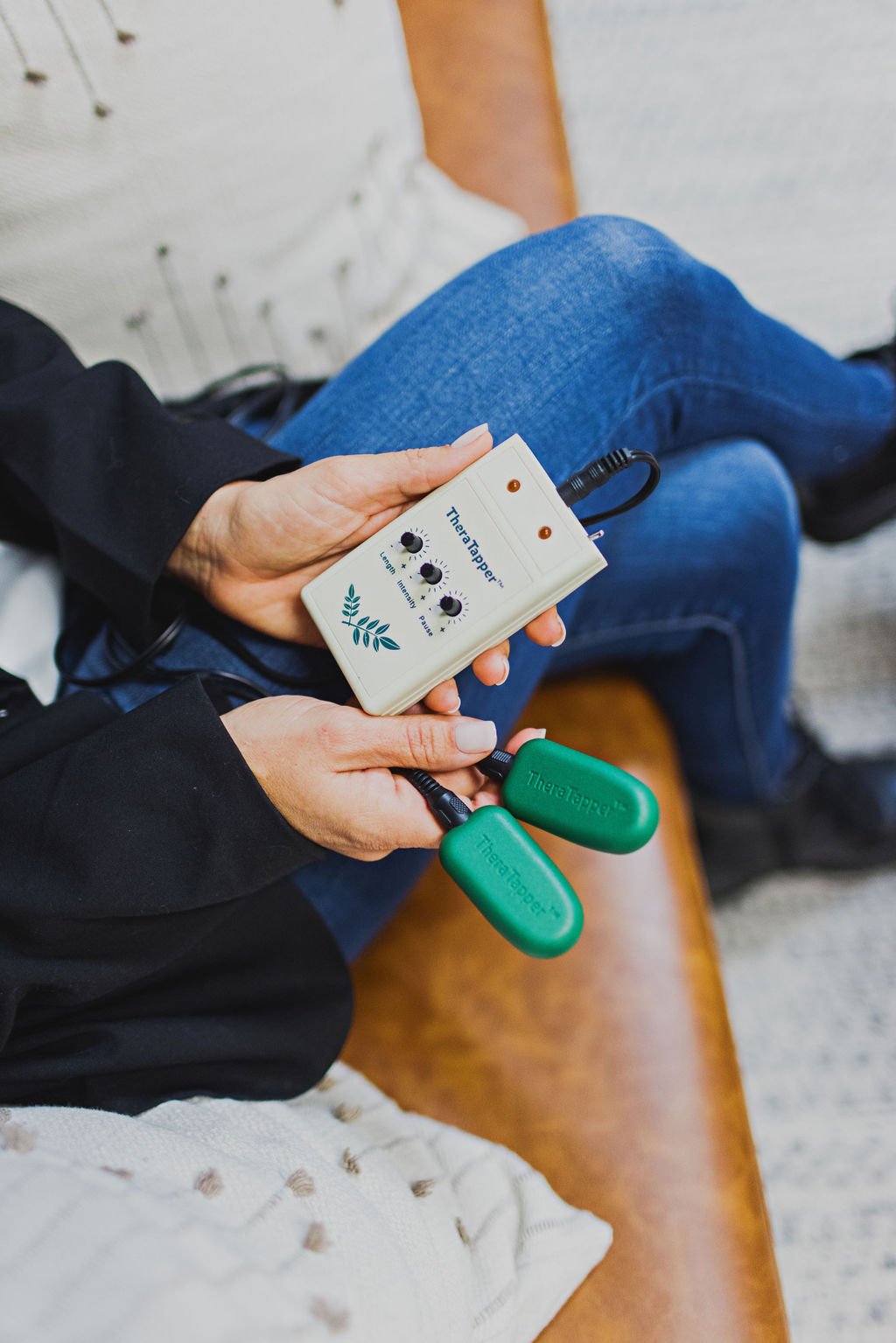
EMDR (Eye Movement Desensitization and Reprocessing) is a powerful evidence-based therapy that helps people process and heal from traumatic memories and the negative self-beliefs they leave behind. Through guided eye movements and gentle support, EMDR can help “unstick” difficult emotions and beliefs—whether they’re about your worth, your relationships, or how safe you feel in the world. This approach is especially valuable for healing attachment wounds that stem from hurtful dynamics in early relationships, and can even assist with inner child work—helping you heal the parts of yourself that didn’t get what they needed growing up.
EMDR works by targeting the network of memories, feelings, and beliefs that keep us trapped in cycles of pain or fear, including statements like “I’ll never be good enough” or “I’m not lovable.” As these are processed, most people find themselves responding to life with more confidence, self-compassion, and stability. Therapy has come a long way—and while “trauma” sometimes feels like the latest buzzword (some days, it seems like everything is “traumatic,” including running out of coffee!), what matters most is understanding the real impact your experiences have had on your heart, mind, and relationships.
No matter how “big” or “small” something seems, if it’s still affecting you, it deserves compassionate attention. Healing is possible—and EMDR is a gentle and effective path forward to feeling more whole, connected, and free from the grip of old wounds

Finding the right therapist is an important step in continuing your healing journey. Scheduling a call to ensure compatibility or ask questions can go a long way in ensuring you have found a therapist that provides a safe environment for healing through attunement and evidence based practices.
Contact Us
SCHEDULE A 15 MINUTE FREE CONSULTATION